
How to Wash and Care for Handmade Knits
Weeks of work can be undone in a single wash cycle. The rules are simple once you know which fibre you're dealing with — and most handmade items need washing far less often than people assume.
Wool and other animal fibres
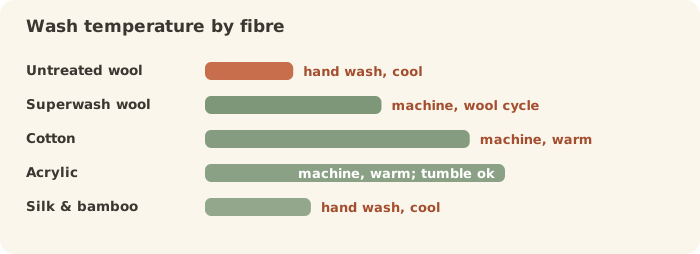
Hand wash in cool water with a wool-safe detergent or a no-rinse wool wash. Let it soak for fifteen minutes without agitating, then lift the garment out supporting its full weight — never let it hang, and never wring it. Press the water out between towels, then dry flat, reshaping to the right measurements.
Heat plus agitation is what felts wool, and it's irreversible. Cool water and gentle handling are the whole secret.
Superwash wool
Machine washable, usually on a wool or delicate cycle, but it often stretches when wet and can grow permanently if hung to dry. Always dry it flat. Superwash also tends to relax more than untreated wool, which is why blocking a swatch matters so much with it.
Cotton and linen
Hard-wearing and machine-washable, but heavy when wet, so support the weight and dry flat to avoid stretching. Linen famously improves with every wash, becoming softer and better-draping over years.
Acrylic
Machine washable and dryable, which is exactly why it dominates baby blankets and charity knitting. It won't felt or shrink. Avoid high heat, which can make it limp and shiny permanently.
Not sure what fibre it is?
If the ball band is long gone, our yarn identifier will at least tell you the weight. For fibre, a burn test on a snippet is the traditional method — wool smells of burnt hair and self-extinguishes; acrylic melts into a hard bead.
How often to wash
Far less than you'd think. Wool is naturally odour-resistant and self-cleaning to a degree — airing a jumper overnight does more than washing it. Most hand-knits need washing two or three times a season, and spot-cleaning in between.
Store folded, never hung. A hanger puts all the weight of a knitted garment on the shoulders, and knitted fabric has no resistance to that — you'll come back to a jumper with drooping shoulders and stretched armholes. Fold and lay flat, ideally with a cedar block or lavender against moths.
Rescuing a felted jumper
Once wool has felted it cannot be fully reversed, but a soak in cool water with plenty of hair conditioner will relax the fibres enough to stretch it back somewhat. Pin it out to the measurements you want while damp and let it dry completely. Expect improvement rather than a miracle.
Pilling
Little bobbles are a sign of friction, not poor yarn — softer, loftier yarns pill most because their fibres are shorter. A fabric shaver or a sweater comb removes them in minutes and the garment looks new again. Don't pull them off by hand; you'll take good fibre with them.
Questions we're often asked
Can I machine wash hand-knitted items?
Only if the yarn says superwash or is acrylic, cotton or a synthetic blend. Untreated wool will felt in a machine, and felting cannot be undone.
How do I dry a hand-knitted jumper?
Flat, on a towel or a mesh rack, reshaped to its proper measurements. Never hang a wet knit — the weight of the water will stretch it out of shape permanently.
How do I stop moths getting to my knits?
Store clean — moths are attracted to body oils rather than the wool itself — in sealed bags or boxes, with cedar or lavender. Wash anything before putting it away for the season.