
Quilting Basics: Seam Allowance, Pressing and Prewashing
Most quilting problems trace back to one of three things, and none of them is the quilting itself. Get these right and blocks meet at the corners the way the pattern promised.
The quarter inch seam, and why it's "scant"
Quilting patterns assume a quarter inch seam allowance throughout. But the thread itself and the fold of the fabric take up a tiny amount, so experienced quilters sew a scant quarter inch — a thread's width narrower.
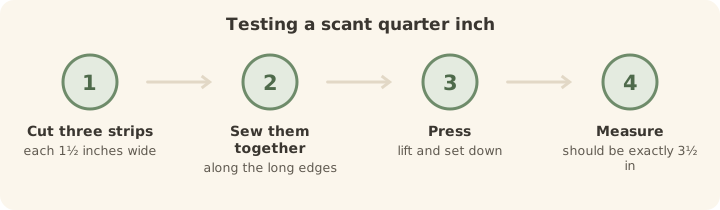
Test it: cut three strips 1½ inches wide, sew them together along the long edges, press, and measure. The finished piece should be exactly 3½ inches. If it's smaller, your seam is too wide. Across a block with a dozen seams, a fraction of error becomes a quarter inch of misfit.
Working out the fabric
Our quilt binding, backing and batting calculator gives the strips to cut, the backing yardage with the seaming direction worked out, and which batting package fits your quilt.
Press, don't iron
Ironing means sliding the iron across the fabric, which stretches bias edges and distorts blocks. Pressing means lifting the iron and setting it down. For patchwork, always press — the difference is visible by the time you join four blocks.
Press seams to one side for strength and easy nesting at intersections, or open for a flatter finish. Both are correct and quilters argue about it endlessly; pick one and be consistent within a quilt.
Prewashing: the long-running argument
There's no single right answer, only a rule: be consistent. If you prewash one fabric, prewash them all, or differential shrinkage will pull the finished quilt out of shape in its first wash.
- Prewash if you're using strongly contrasting colours that might bleed, or fabrics from different sources and eras.
- Don't prewash if you like the slightly crinkled, antique look that comes from everything shrinking together after quilting — many quilters prefer it.
Cotton typically shrinks 3 to 5%, so buy a little extra if you're prewashing.
Watch the grain. Fabric is stable along the straight grain and stretchy on the bias. Cut triangles so the bias edges are on the inside of a block where possible, and handle bias edges as little as you can — every tug stretches them permanently.
Starching
A light spray starch before cutting stiffens the fabric, which makes cutting more accurate and stops bias edges wriggling. It washes out completely. Many quilters who fought with wavy blocks for years found starch solved it in an afternoon.
Questions we're often asked
What is a scant quarter inch seam?
A quarter inch seam sewn a thread's width narrower, to allow for the thickness of the thread and the fold of the fabric. It's what makes finished blocks come out the size the pattern intends.
Should I prewash quilting fabric?
It's a matter of preference, but be consistent — prewash all of it or none. Prewash when using strong colours that might bleed; skip it if you like the crinkled look of a quilt that shrinks after quilting.
Press seams open or to the side?
To the side gives stronger seams that nest neatly at intersections; open lies flatter and reduces bulk. Both are used by experienced quilters — choose one and stay consistent within a project.