
Knitting for Charity: Sizes, Yarns and What's Actually Needed
Charity knitting is generous work, and it goes wrong in predictable ways — usually because the maker chose what they enjoyed making rather than what the recipient could use. A little planning makes the difference between a donation that helps and one that sits in a box.
Ask first, always
Every organisation has different requirements, and many have strict ones. Hospitals often specify particular yarns and sizes for premature babies; refuges may need adult sizes in neutral colours; some charities cannot accept wool at all because of allergies and washing facilities. One email before you start saves everyone the awkwardness later.
Acrylic is usually the right answer
It feels like the lesser choice, and for charity work it generally isn't. Acrylic is machine washable at high temperatures, tumble-dryable, hypoallergenic, holds no moths, and costs little. Recipients may not have access to gentle hand-washing, and many organisations wash everything hot on arrival as standard.
Working out quantities for a batch
Charity knitting usually means making several of the same thing. Our yardage calculator will tell you how far a bag of yarn goes, so you can plan a batch rather than run short on the last hat.
Commonly needed items
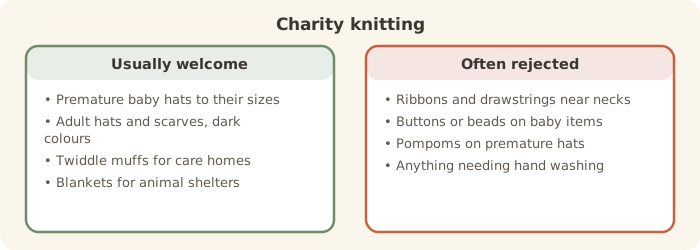
- Premature baby hats and blankets — very small, very quick, and always in demand. Sizes are usually specified precisely; ask.
- Adult hats and scarves — for shelters and outreach. Dark, neutral colours are requested most often.
- Twiddle muffs — knitted tubes with buttons and textures attached, for people with dementia. Care homes ask for these constantly.
- Blankets for animal shelters — usually the easiest, since imperfections don't matter and any yarn will do.
- Chemotherapy caps — must be soft with no scratchy seams; cotton or bamboo is often preferred over wool.
Safety points that come up repeatedly: no loose ribbons or drawstrings on anything for babies or children, no buttons or beads on items for babies, and no pompoms on premature baby hats. Many organisations reject items for these reasons, so check the guidelines rather than assuming.
Getting sizes right
Hat sizes are where most charity knitting goes wrong. Premature baby heads run from about 9 to 13 inches, newborn 13 to 15, and adult 21½ to 23½. Our hat calculator gives cast-on numbers for all of these from whatever yarn and gauge you're using.
Wash before you send
Handmade items pick up hair, dust and smoke from the home they're made in. A wash before donating is a small courtesy that matters a great deal to a recipient with allergies or asthma — and most organisations ask for it.
Questions we're often asked
What yarn is best for charity knitting?
Machine-washable acrylic in most cases. It survives hot washing and tumble drying, causes no allergy problems, and is inexpensive enough to make in quantity.
What size hat for a premature baby?
It varies by organisation and by how premature. Head circumferences generally range from about 9 to 13 inches — always ask for the charity's specific chart rather than guessing.
Do charities accept any handmade item?
No. Most have specific requirements on size, yarn, colour and safety features. Contacting them before you begin means your work goes straight to someone who needs it.